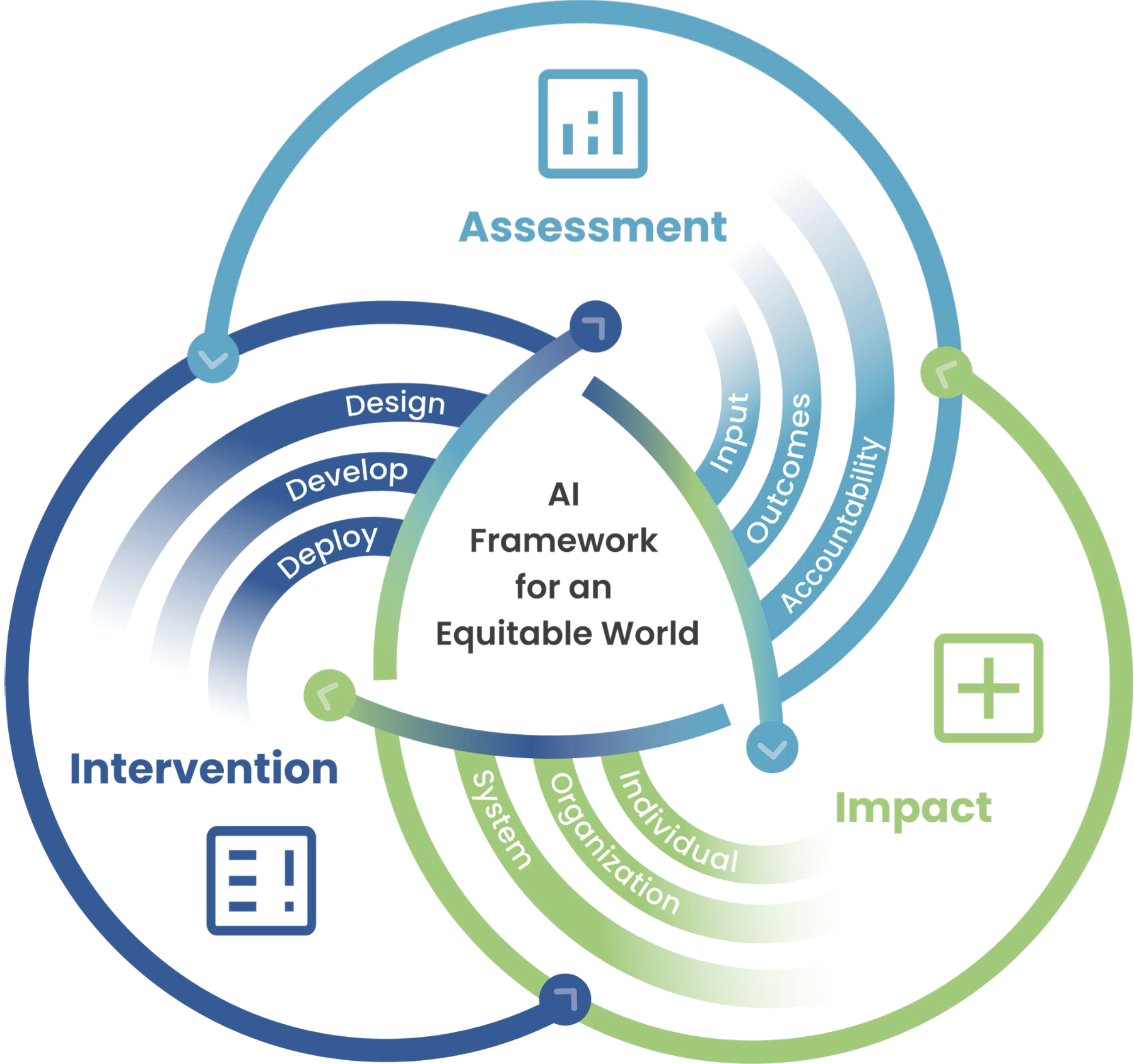
In the months I been seeking my next job in nonprofit tech, I’ve learned that the sector is quite invested in using AI right now. There are so many important applications of LLMs and machine learning, in fact we’ve all been using it for years to do things like sorting our inboxes, analyzing complex data, finding the perfect digital asset for a specific purpose, and showing the perfect next video for our interests. I don’t want to give those things up. (OK, maybe that last one sometimes.)
Frankly, I worry that seeming critical of AI will negatively impact my employment prospects, but there’s a reason that I have a reputation as a trustworthy and ethical tech leader. And I hope that there are still organizations that would rather have an honest technologist instead of one that never challenges them. There are real benefits but we have to tell the truth about the fact that there are also real harms to our organizations, our communities, and our planet from reliance on AI.
I suspect the current normalization of generative AI as simply part of how we all work now is much more based in marketing hype than practical nonprofit sector experience. I learned about the AI hype cycle from researchers like Timnit Gebru and Emily Bender. I’ve been following them since 2021 when Gebru and others were fired from Google’s AI ethics team when their bosses objected to their groundbreaking co-authored paper on LLMs called “On the Dangers of Stochastic Parrots: Can Language Models Be Too Big? 🦜“.
The adoption that big tech wants us to believe is “inevitable” is much more driven by the fact that companies are cramming it in to every piece of software whether users want them to not. Business experts have made it clear that Big Tech is over leveraged in the AI sector. If we don’t use it enough, they don’t make the profit they need. We don’t need AI to survive as much as it needs us to live.
In their latest article, Bender and Gebru once again bring us back down to earth:
The AI industry has even suggested that popular, bipartisan anti-data-center activism is a “distraction” from attempts to regulate the impending, scary, “superhuman” machines these companies are building. According to the AI industry, we should be more worried about a fictional machine god than about the climate catastrophe that these data centers exacerbate, the asthma suffered by those living near them, the rising electricity bills of the public subsidizing them, or the water that is redirected to cooling them.
– Don’t be fooled by this summer of AI hype, 9/22/26
As nonprofits and community-oriented people continue to learn and experiment with AI, it’s essential that we stay focused on the real requirements of our missions and the real consequences of our choices. As Flava Flav taught us, don’t believe the hype!